
La pinsa, la leggerezza che conquista
- 26/09/2025
- 0 Commenti
- 755 Visualizzazioni
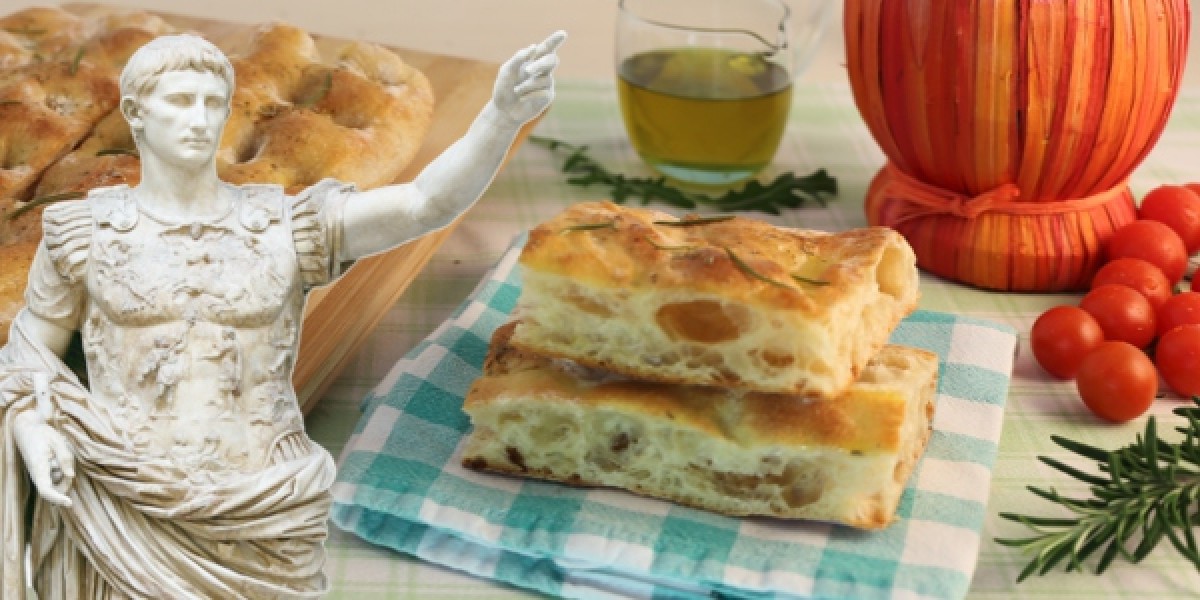
Il consumo della PINSA è in forte crescita sia in Italia che all’estero. Il motivo principale risiede nella sua percepita leggerezza e digeribilità: caratteristiche che la distinguono dalla pizza tradizionale.
Queste peculiarità derivano dal suo impasto ad alta idratazione e dall’uso di un mix bilanciato di farine (frumento, semola, riso, soia e talvolta altre farine selezionate), che rendono la PINSA particolarmente digeribile, fragrante e appetitosa.
È interessante osservare come il mercato della PINSA, pur richiamando quello della pizza, si stia affermando come una categoria autonoma. Non viene più percepita soltanto come un’alternativa alla pizza, ma come un prodotto con una sua identità ben precisa, capace di attrarre un numero sempre crescente di consumatori.
Non a caso, la PINSA è ormai presente in molti menu di ristoranti, locali street food e sempre più spesso anche nei banchi dei supermercati.
Tuttavia, questo successo ha anche un rovescio della medaglia: la grande diffusione è dovuta in larga parte alla facilità di gestione del prodotto, che molto spesso arriva al consumatore riscaldata partendo da un prodotto precotto surgelato o confezionato in atmosfera modificata.
In questi casi, ciò che ci viene servito non è fresco, ma prodotto settimane o addirittura mesi prima. Una scelta pratica per la ristorazione, certo, ma che inevitabilmente fa perdere parte della ricchezza aromatica e della fragranza che la PINSA fresca può regalare. E se già piace così, immaginiamo quanto potrebbe conquistare se preparata e servita appena sfornata!
Per questo motivo, anche noi abbiamo sviluppato una miscela specifica per PINSA, che consente di realizzare un prodotto croccante, leggero, digeribile e dall’ottima alveolatura. Si chiama PALAMIX ed è studiata per esaltare tutte le qualità distintive di questa specialità. PALAMIX è a base di farina di grano tenero tipo 0, semola rimacinata di grano duro, farina di riso, farina di soia, farina di avena, farina di orzo e lievito madre di farina di frumento.
UN PO' DI STORIA
La PINSA affonda le sue radici nella tradizione culinaria dell’antica Roma.
Il termine deriva dal latino pinsere, che significa “allungare, schiacciare, stendere”: un chiaro riferimento al gesto con cui l’impasto veniva lavorato e disteso.
Nell’antichità, le popolazioni contadine preparavano una sorta di focaccia piatta utilizzando un mix di cereali disponibili all’epoca — soprattutto miglio, orzo e farro — mescolati con acqua, sale ed erbe aromatiche raccolte nei campi. Questo alimento, cotto su pietre calde o nei primi forni rudimentali, rappresentava una base semplice, nutriente e facilmente conservabile.
Con il passare dei secoli la preparazione è stata adattata e perfezionata, fino ad arrivare a una ricetta moderna che ha visto la luce a Roma negli anni Duemila, grazie a ricerche e studi di panificazione che hanno valorizzato la tradizione, migliorandone digeribilità, fragranza e leggerezza.