
Energia e fertilizzanti, che futuro?
- 08/06/2026
- 0 Commenti
- 514 Visualizzazioni
Energia e tensioni internazionali
La guerra prima in Ucraina e poi le tensioni in Iran e più in generale in Medio Oriente hanno causato, e continuano a causare, una forte pressione sui prezzi dei prodotti petroliferi, con effetti già concreti.
L’aumento del costo del trasporto delle merci è una delle prime conseguenze di questa situazione. Tuttavia, sono a rischio di rincaro anche molti prodotti legati ad aziende cosiddette “energivore”, cioè attività produttive che consumano grandi quantità di energia.
Ricordiamo infatti che l’Italia continua ad avere uno dei costi dell’energia elettrica più elevati d’Europa. Nel 2025 il prezzo medio all’ingrosso dell’elettricità è stato di circa 116 €/MWh, contro una media UE di circa 85 €/MWh, con differenze molto significative rispetto a Paesi come Francia e Spagna.
Le principali cause sono:
- forte dipendenza dal gas naturale per produrre elettricità;
- minore disponibilità di energia nucleare rispetto alla Francia;
- costi di sistema e struttura del mercato energetico.
L’impatto sulla filiera alimentare
Il costo dell’energia incide inevitabilmente anche sulla filiera alimentare. Quando l’energia aumenta, il suo costo si somma a quello delle materie prime, della produzione e della distribuzione, finendo quasi sempre per riflettersi sul prezzo finale.
Nel settore del bakery, quindi panificazione e pasticceria, l’energia pesa moltissimo, perché riguarda:
- forni elettrici e a gas;
- celle di lievitazione;
- abbattitori;
- impastatrici;
- climatizzazione dei laboratori;
- trasporto refrigerato.
Senza creare allarmismo, va detto che non è certo che si verifichi una nuova crisi come quella del 2022, o peggio ancora come quella del 2008. Tuttavia, molti analisti ritengono che l’Europa e l’Italia dovranno convivere ancora per anni con costi energetici superiori ai livelli pre-crisi.
Naturalmente, se la guerra in Ucraina e soprattutto le tensioni legate all’Iran e al Medio Oriente dovessero attenuarsi o terminare, questa situazione di pre-crisi potrebbe progressivamente rientrare.
Il nodo dei fertilizzanti
C’è però un altro aspetto importante da considerare nel breve termine: i costi dei fertilizzanti.
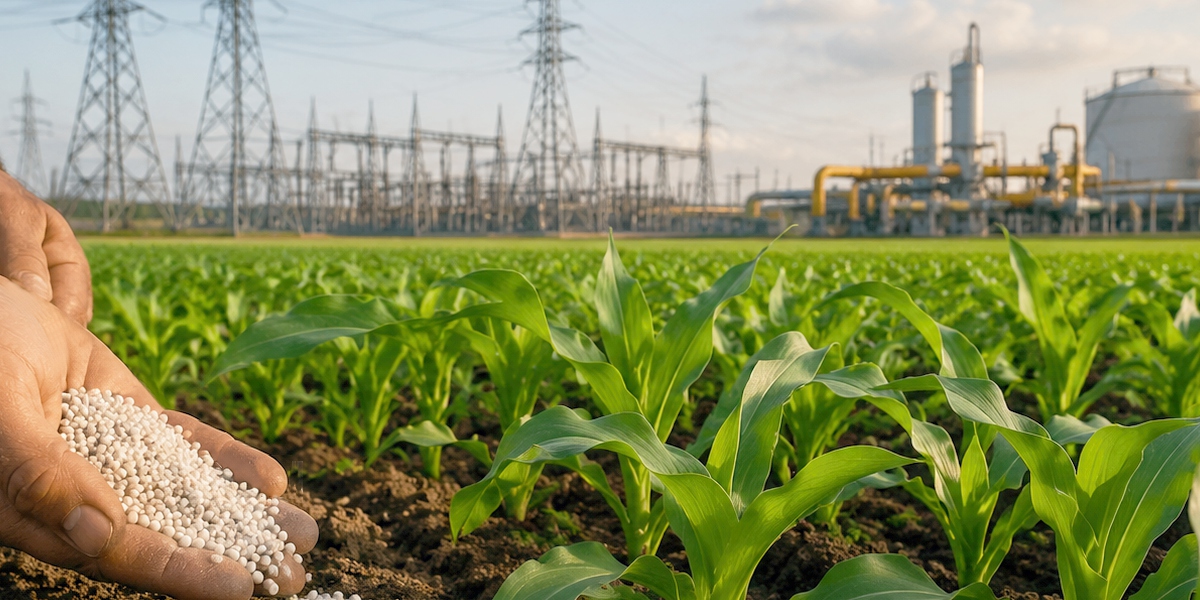
Abbiamo imparato a conoscere quanto la produzione dei fertilizzanti dipenda in larga misura dal gas naturale (i fertilizzanti azotati vengono prodotti usando enormi quantità di gas naturale). Oggi si registra già una forte tensione sui fertilizzanti importati, anche da aree strategiche come il Medio Oriente, con conseguente aumento dei prezzi.
Più ancora del costo, però, preoccupa la possibile minore disponibilità. La mancanza o il forte rincaro dei fertilizzanti potrebbe portare a una diminuzione dei raccolti, cioè a una minore quantità prodotta per ettaro. Questo scenario potrebbe far salire, anche in modo significativo, i prezzi di molti prodotti alimentari.
Nel nostro mondo agricolo i fertilizzanti sono ormai fondamentali e influenzano direttamente la produzione di:
- grano;
- mais;
- riso;
- ortaggi;
- mangimi per animali.
Senza fertilizzanti:
- i raccolti diminuiscono;
- la qualità può peggiorare;
- aumenta il rischio di scarsità;
- l’intera filiera alimentare entra in tensione.
E quando si produce meno cibo, i prezzi tendono inevitabilmente a salire, e purtroppo questo scenario è verosimile già a partire dal prossimo autunno!